3D ANZ

Rhino 9 for Windows or Mac

Robert McNeel & Associates

Rhino 9 for Windows or Mac

Rhino 9 for Windows or Mac

Regular price $1,488.39 AUD
Regular price Sale price $1,488.39 AUD
Sale Sold out
Buy Rhino

Choose the appropriate licence and current market price in the 3D ANZ licence selector.

Rhino 9 — develop your ideas in three dimensions

Rhino 9 brings new and improved tools for modelling, surface analysis, drafting, visualisation and Grasshopper workflows. Explore the current feature highlights below, then choose the licence configuration that suits your work.
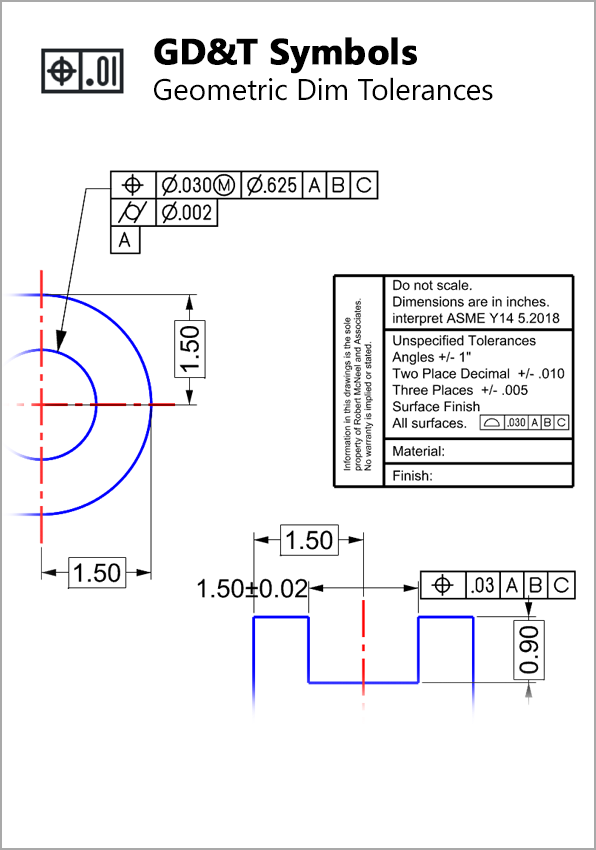
GDT SymbolsGDT Symbols

Create GD&T feature-control frames to communicate permitted geometric variation on manufacturing drawings.
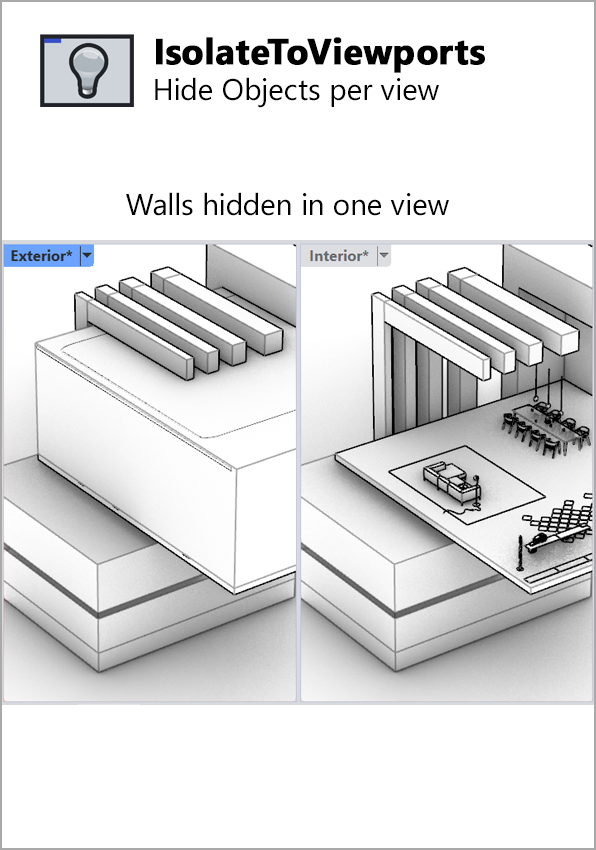
Isolate To ViewportsIsolate To Viewports

Control object visibility across selected viewports to concentrate on the geometry you need to inspect.
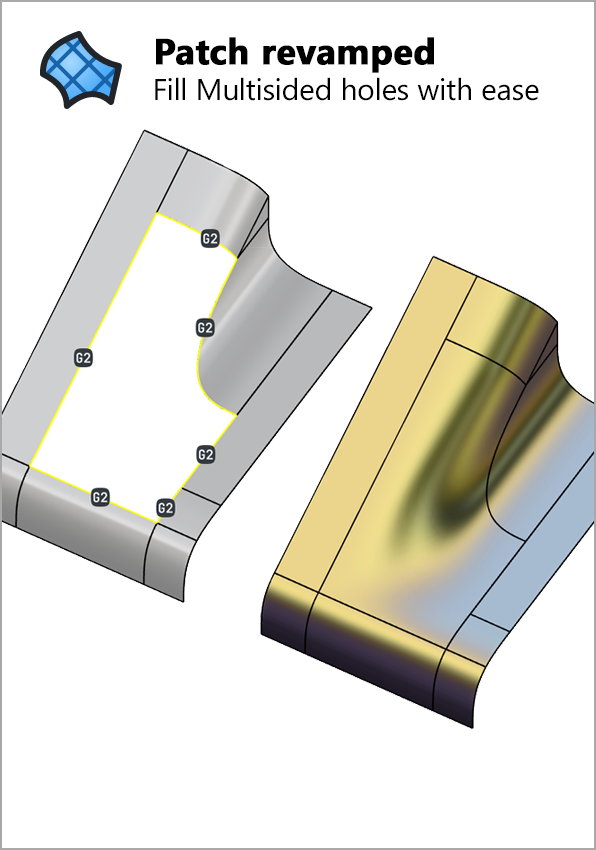
Patch RevampedPatch Revamped

Build multi-sided surfaces from edges, curves and points, with positional, tangential or curvature continuity controls.
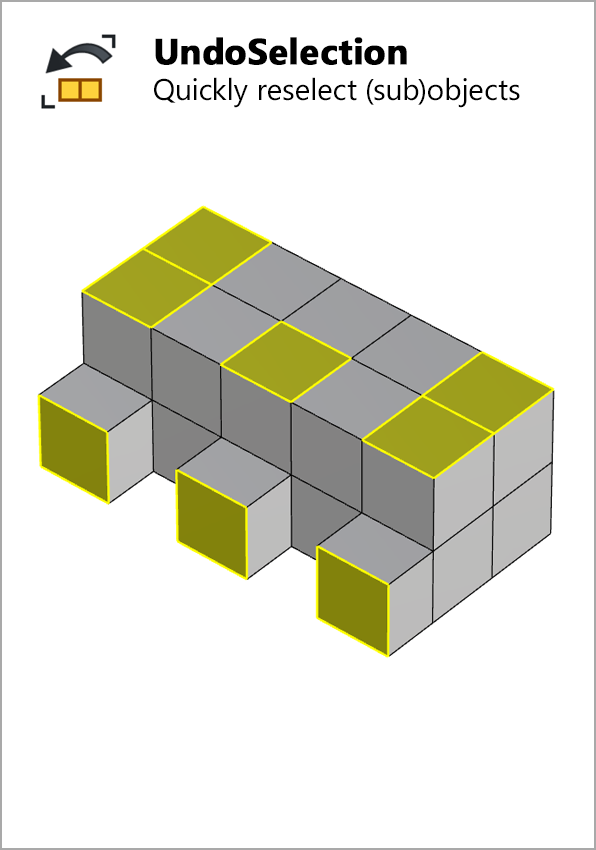
Undo SelectionUndo Selection

Recover earlier object selections without undoing modelling changes, using a separate selection history.
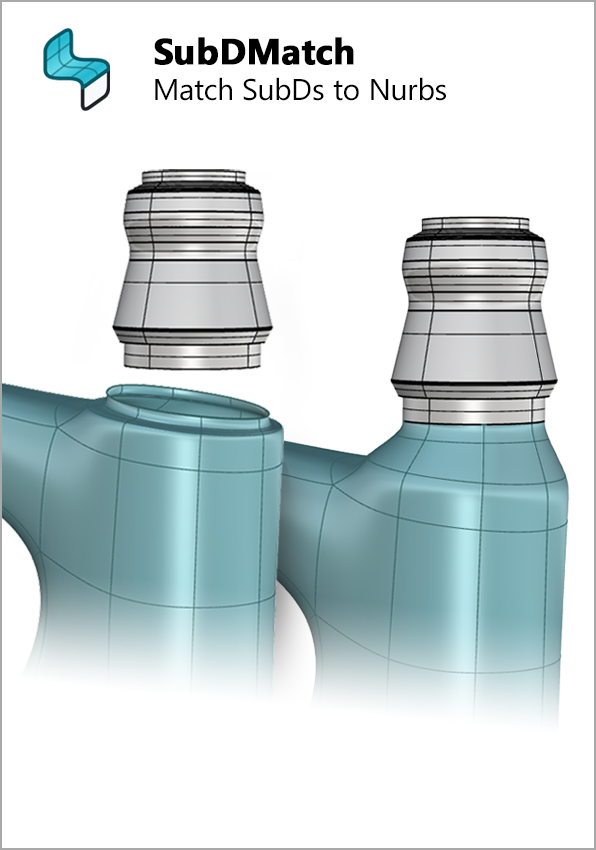
SubD MatchSubD Match

Adjust SubD boundary chains to reference geometry for more controlled transitions and connections.
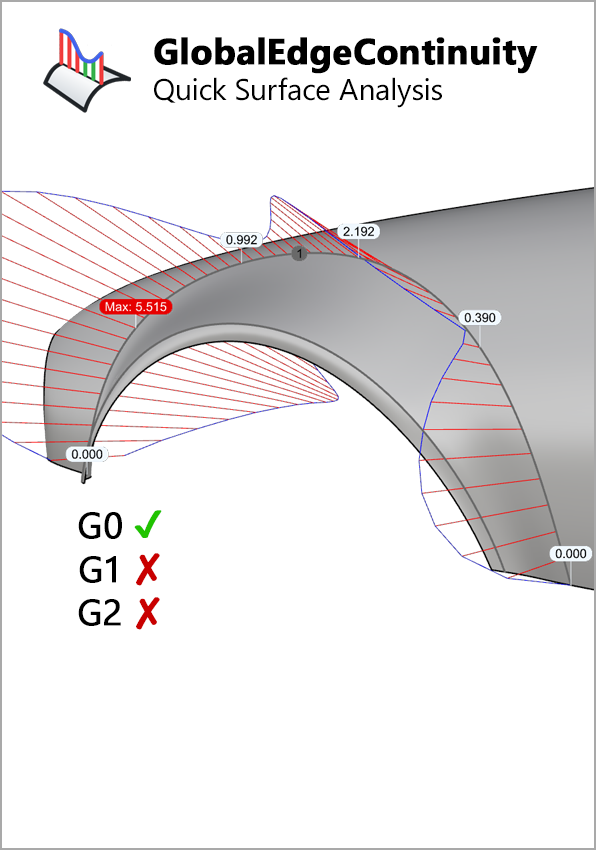
Global Edge ContinuityGlobal Edge Continuity

Assess position, tangency and curvature continuity across surface boundaries with GlobalEdgeContinuity.
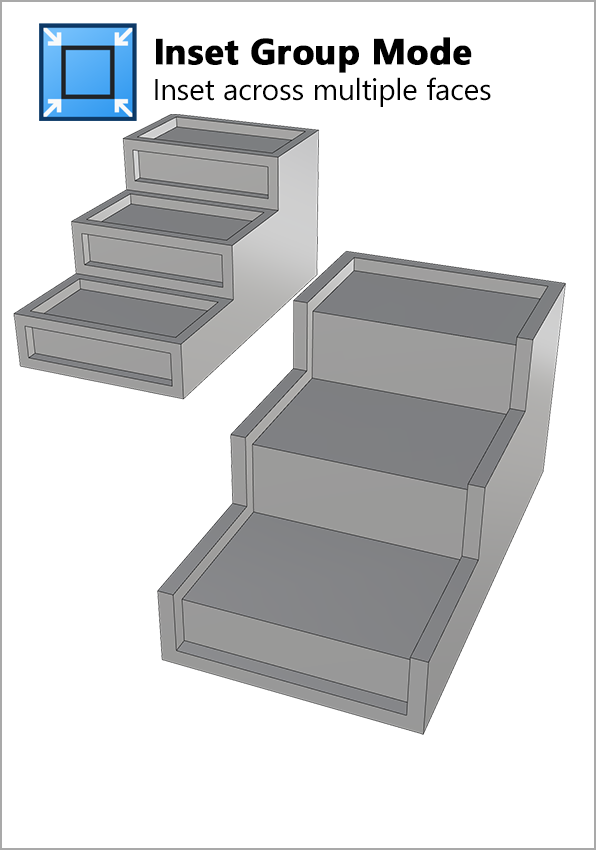
Inset Group ModeInset Group Mode

Create a shared inset boundary across adjoining polysurface faces, useful for details that span several surfaces.
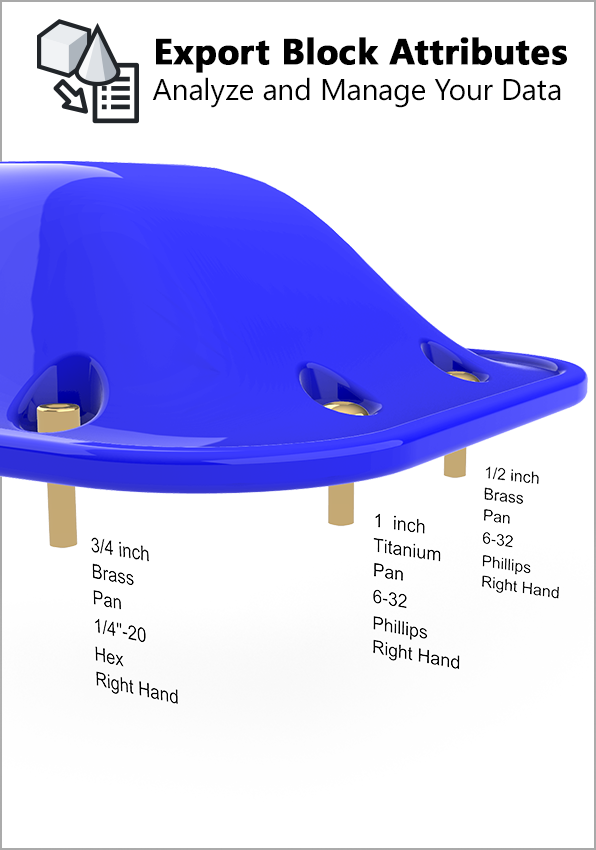
Export Block AttributesExport Block Attributes

Extract block attribute information into a CSV file for use in spreadsheets and downstream reporting.
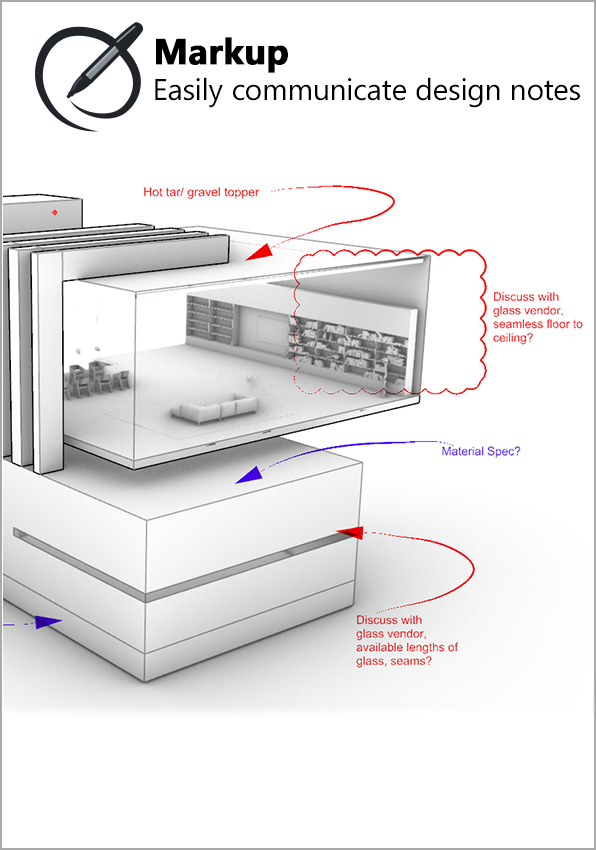
MarkupMarkup

Draw and annotate directly over a view to record feedback without changing the underlying model geometry.
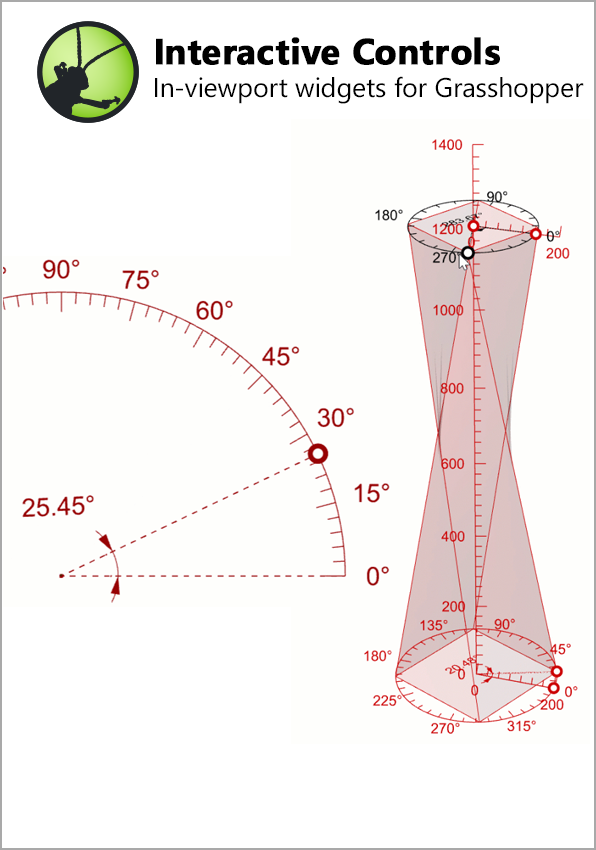
GH Interactive WidgetsGH Interactive Widgets

Adjust Grasshopper parameters through curve and angular widgets directly in the Rhino viewport.
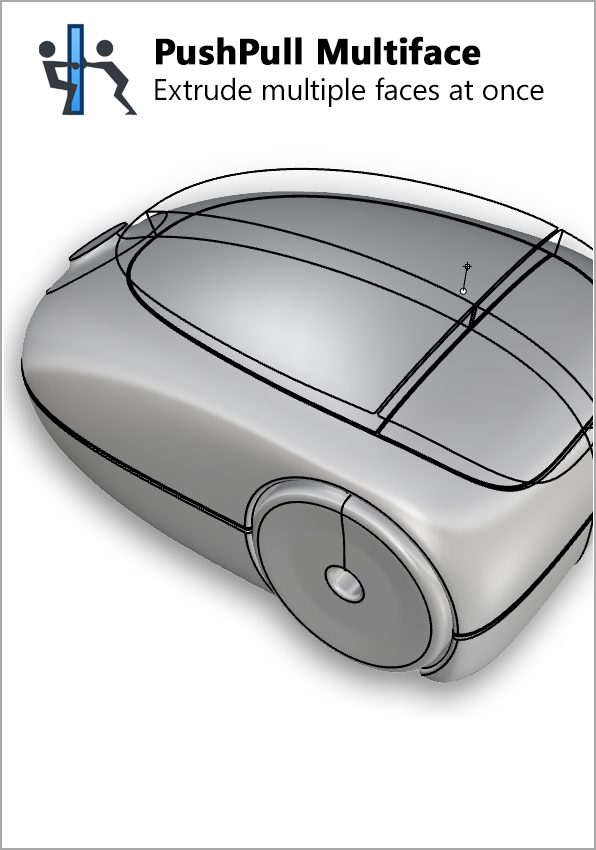
Push Pull IDPush Pull ID

Modify regions across multiple polysurface faces when developing features such as ribs, bosses and wall thicknesses.
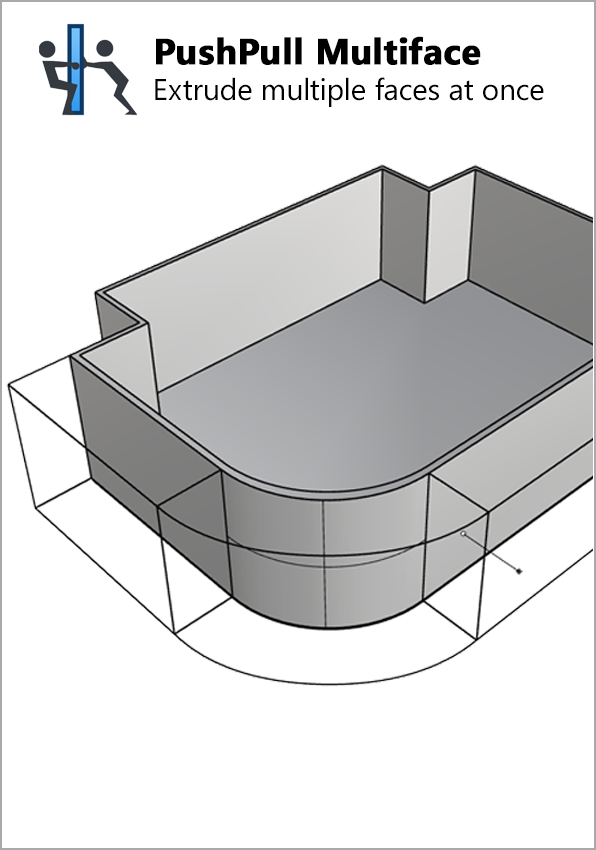
Push Pull ArchPush Pull Arch

Use multi-face PushPull to explore building masses and connected wall geometry with fewer separate editing operations.
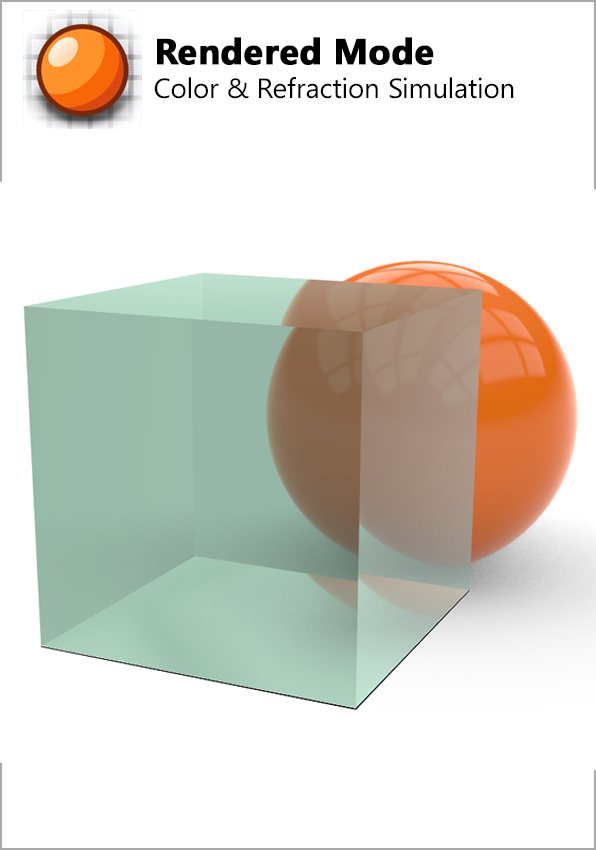
Reflection RefractionReflection Refraction

Preview transparent materials with their colour and light-bending effects in Rendered display mode.
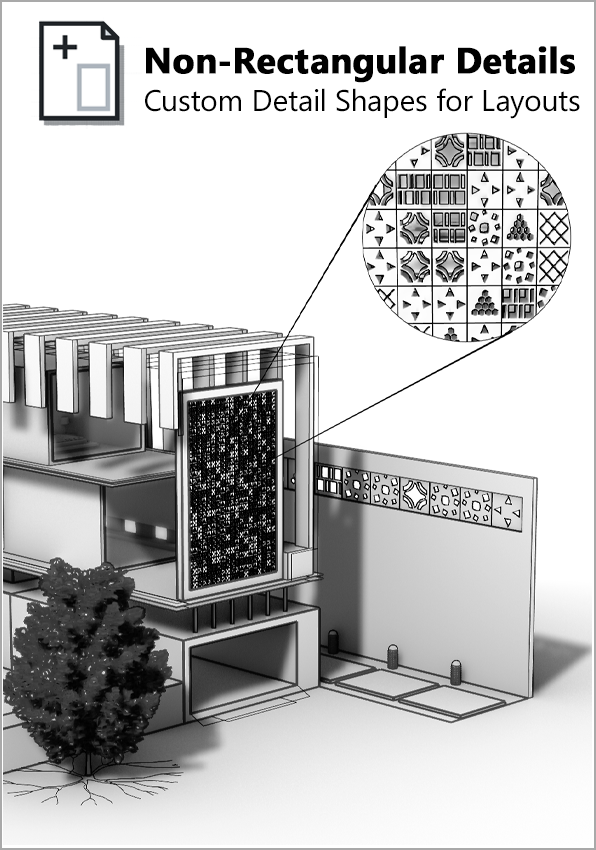
Non Rectangular Details ArchNon Rectangular Details Arch

Frame layout detail views with closed-curve boundaries instead of being limited to rectangular viewports.
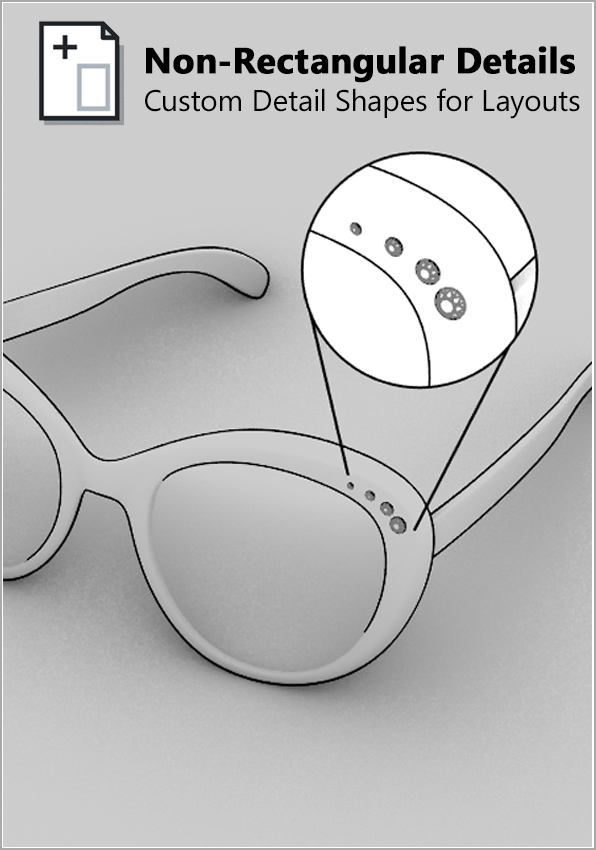
Non Rectangular Details IDNon Rectangular Details ID

Shape detail-view boundaries to suit the part or illustration being presented on a drawing sheet.
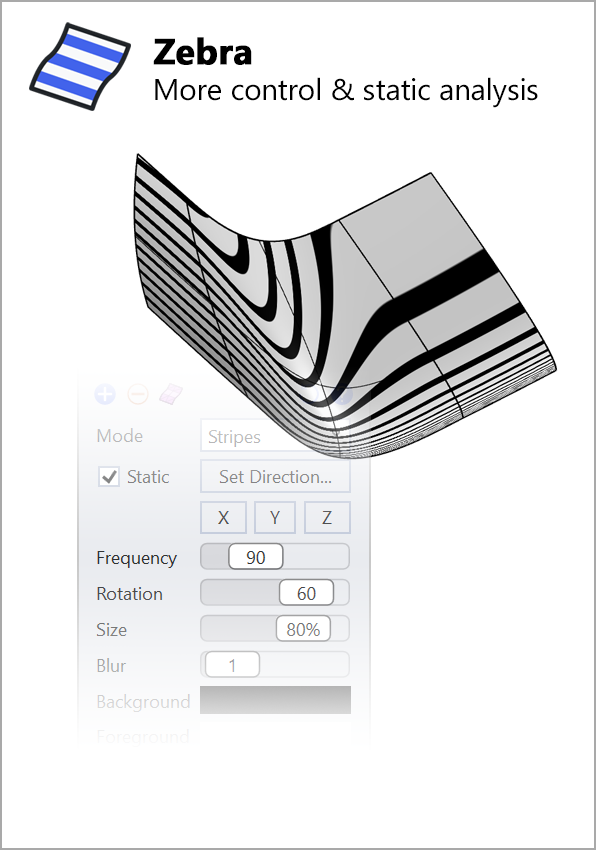
ZebraZebra

Inspect surface flow and continuity with the rewritten Zebra tool, including static stripe analysis.
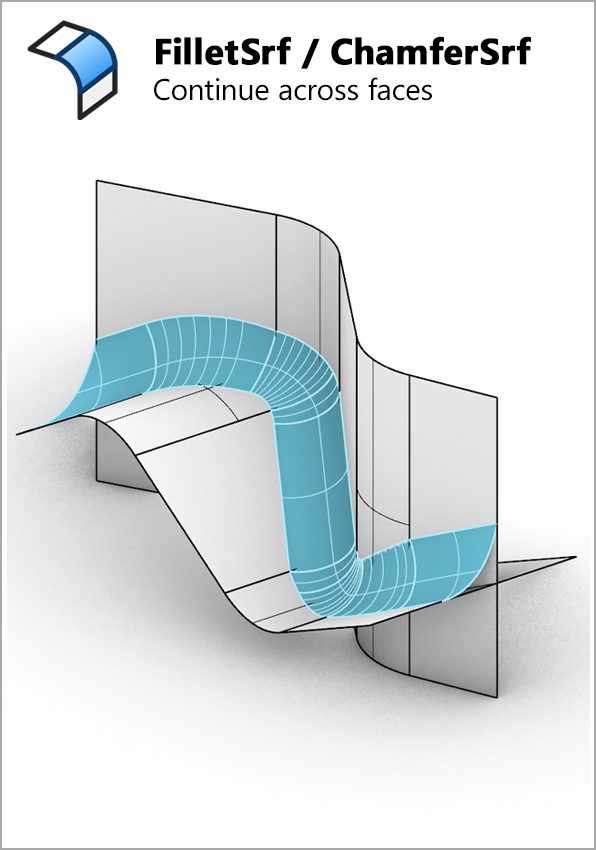
Fillet Chamfer SrfFillet Chamfer Srf

Use improved fillet and chamfer tools, including options to continue across faces and create simpler surfaces where possible.
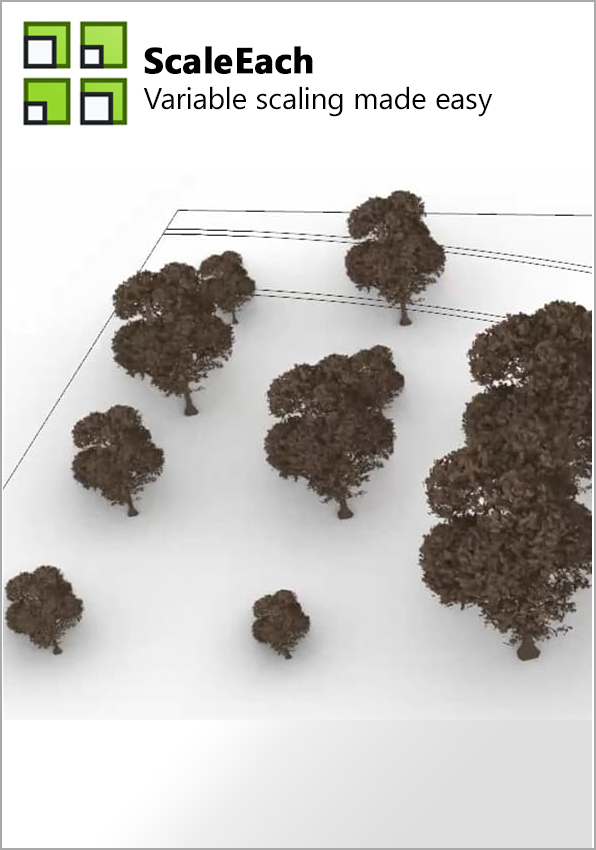
Scale Each ArchScale Each Arch

Resize multiple objects independently with ScaleEach when developing repeated elements in a building model.
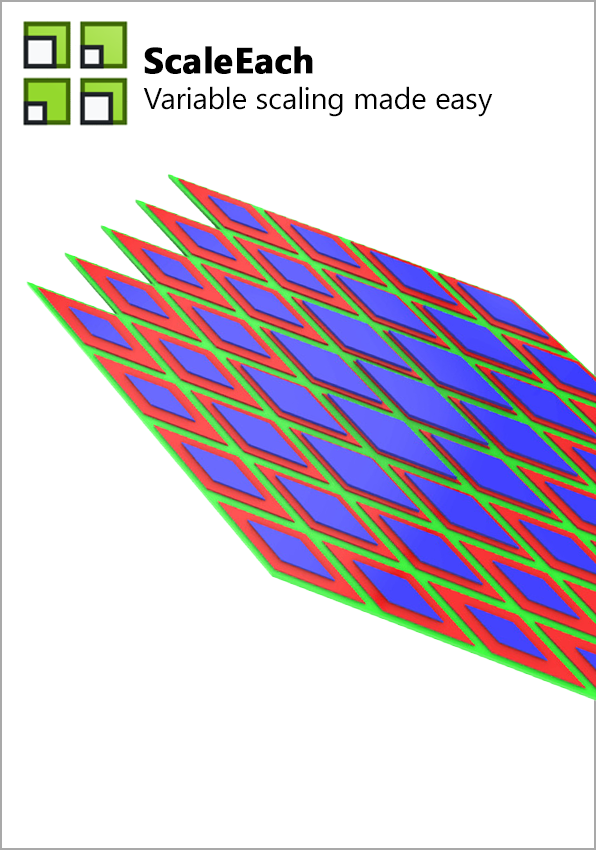
Scale Each IDScale Each ID

Adjust several components independently using ScaleEach, rather than treating the selection as one combined object.
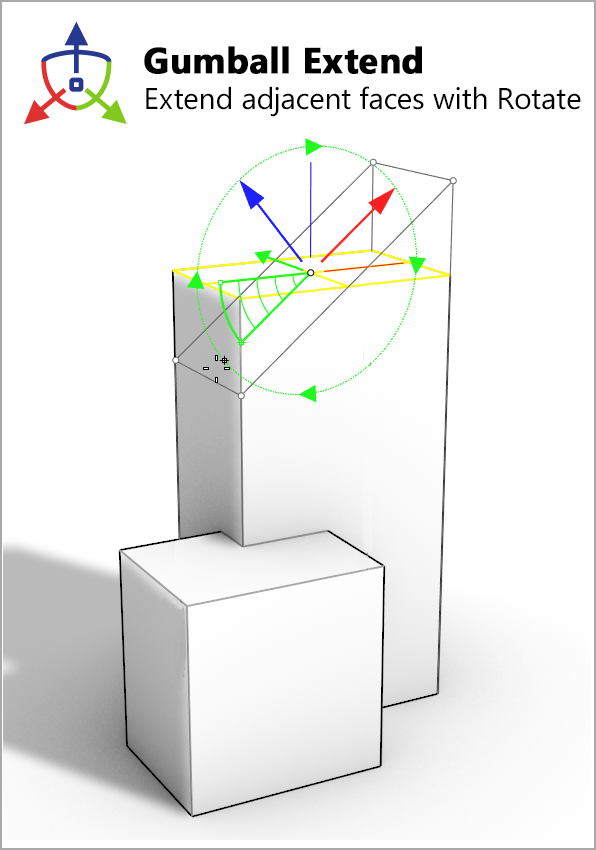
Gumball ExtendGumball Extend

Refined Gumball controls improve everyday editing, including orientation, location and extension workflows.
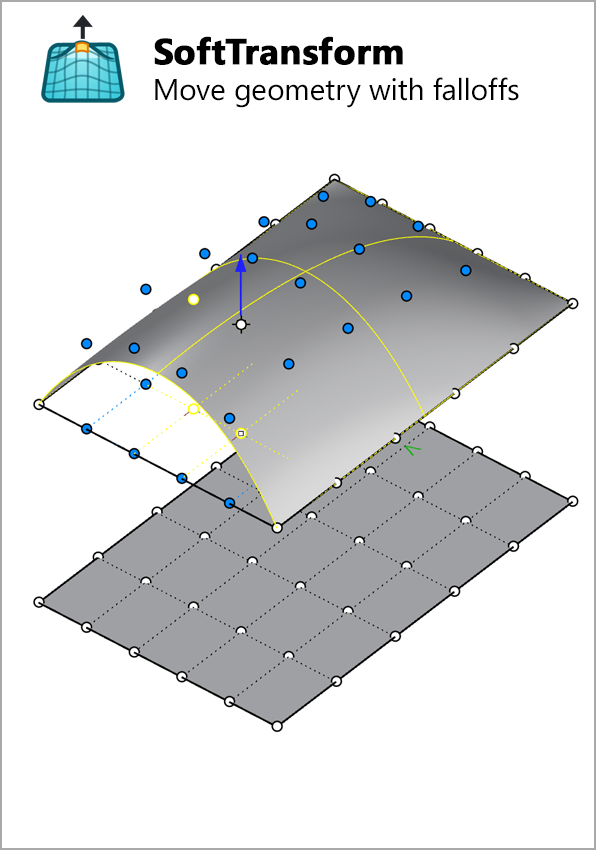
Soft TransformSoft Transform

Reshape groups of control points with a falloff influence for gradual changes to surrounding geometry.
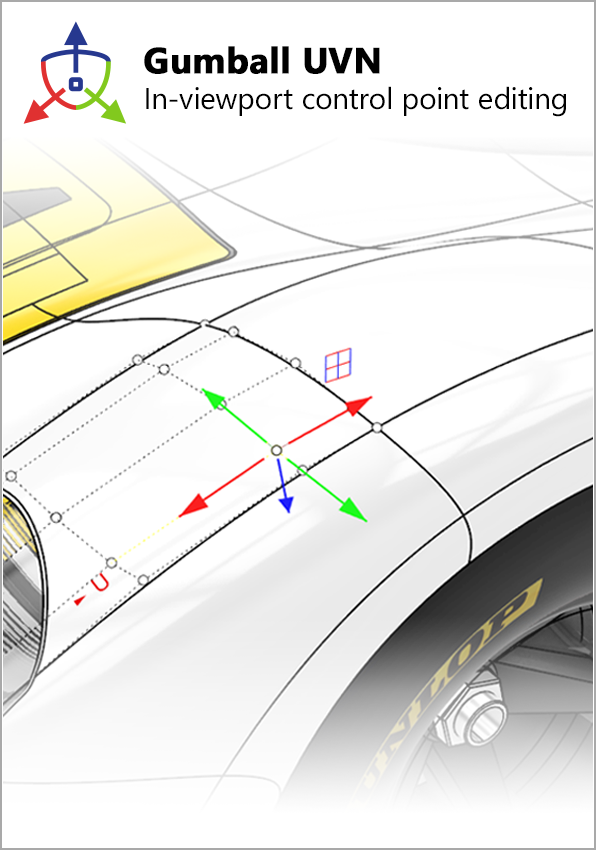
Gumball UVNGumball UVN

Align the Gumball to selected control-point directions for editing that follows the geometry’s control polygon.
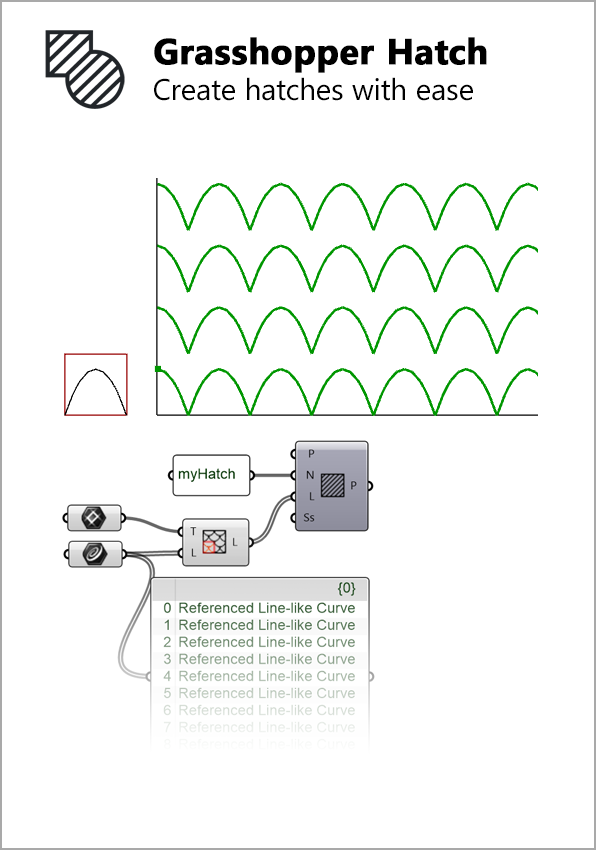
GH Create HatchGH Create Hatch

Generate, edit and save hatch patterns through Grasshopper components for repeatable drawing workflows.
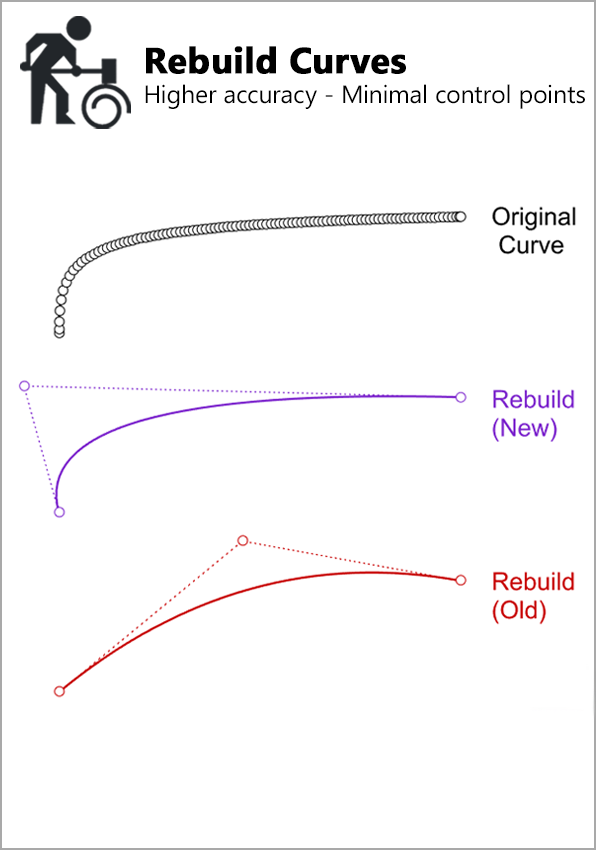
New RebuildNew Rebuild

Adaptive Rebuild technology improves curve fitting for a given control-point count, helping simplify geometry for further modelling.
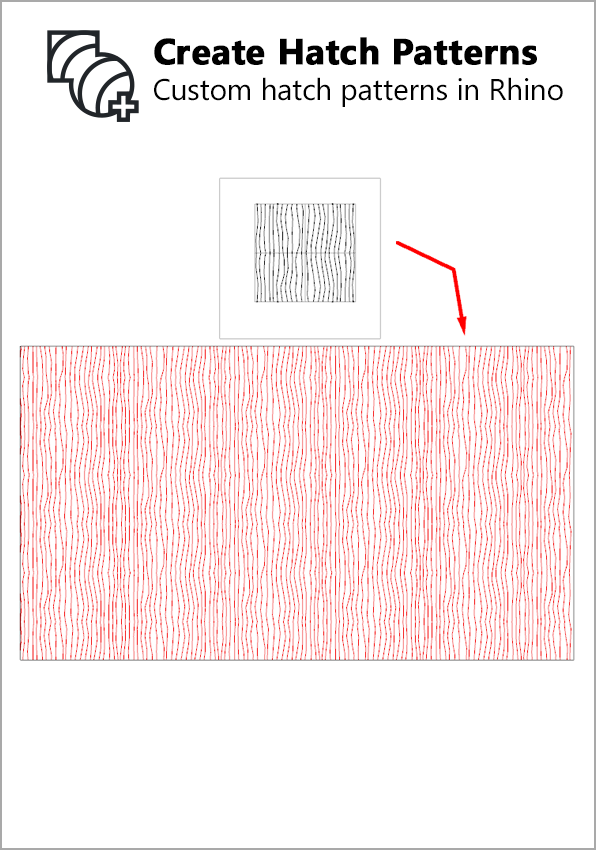
Create Hatch PatternsCreate Hatch Patterns

Build hatch patterns from Rhino 2D geometry instead of relying solely on imported pattern files.
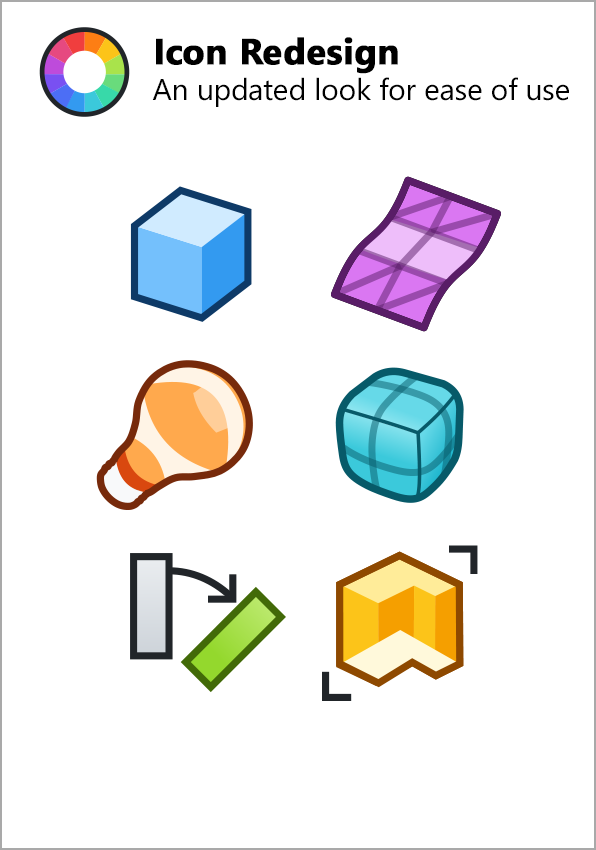
Icon RedesignIcon Redesign

Updated, colour-coded toolbar icons help distinguish tools within Rhino’s interface.
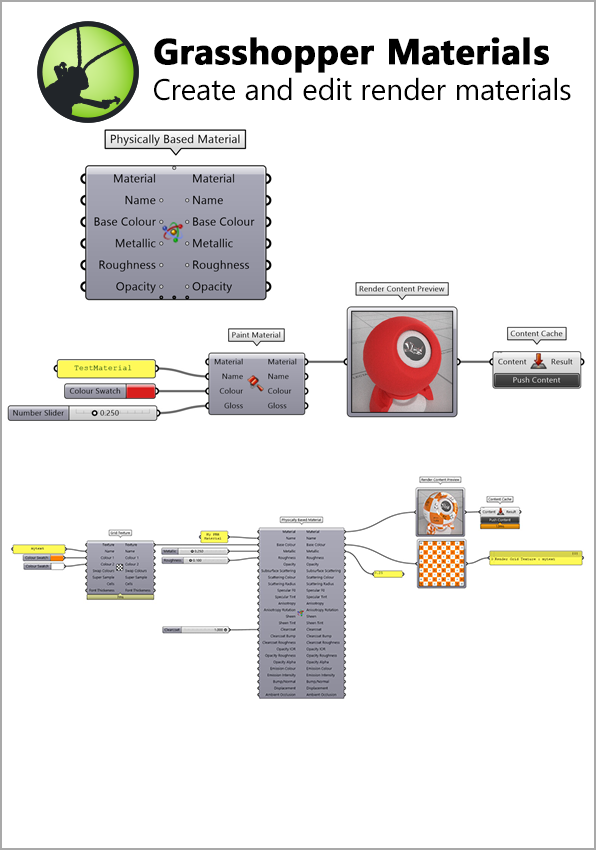
GH Render MaterialsGH Render Materials

Create and manipulate rendering materials within Grasshopper to connect visual properties with parametric design.
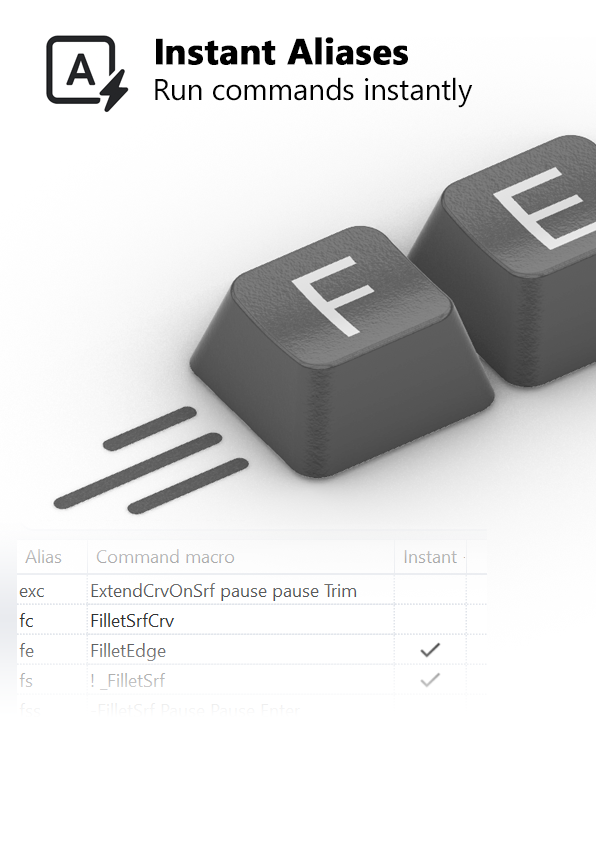
Instant AliasesInstant Aliases

Run configured aliases without an additional Enter keystroke for frequently used modelling commands.
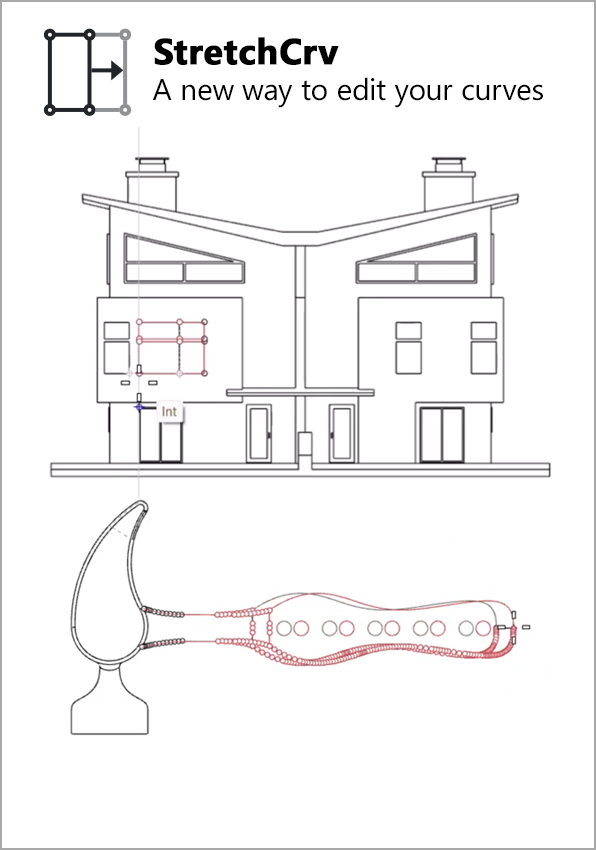
Stretch CrvStretch Crv

Use crossing selections to capture curve control points and stretch or transform the selected geometry.
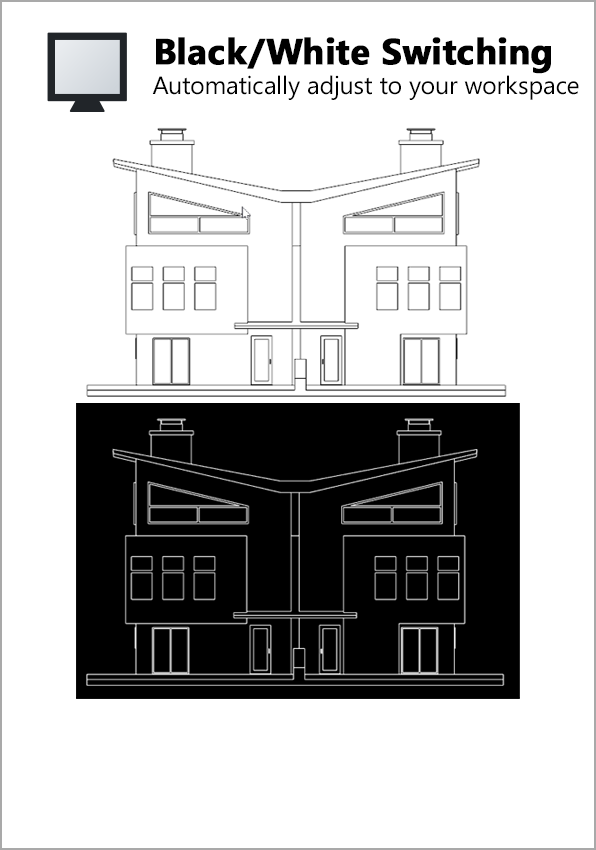
Black White SwitchingBlack White Switching

Keep pure black or white object wires readable by switching their display colour against the viewport background.
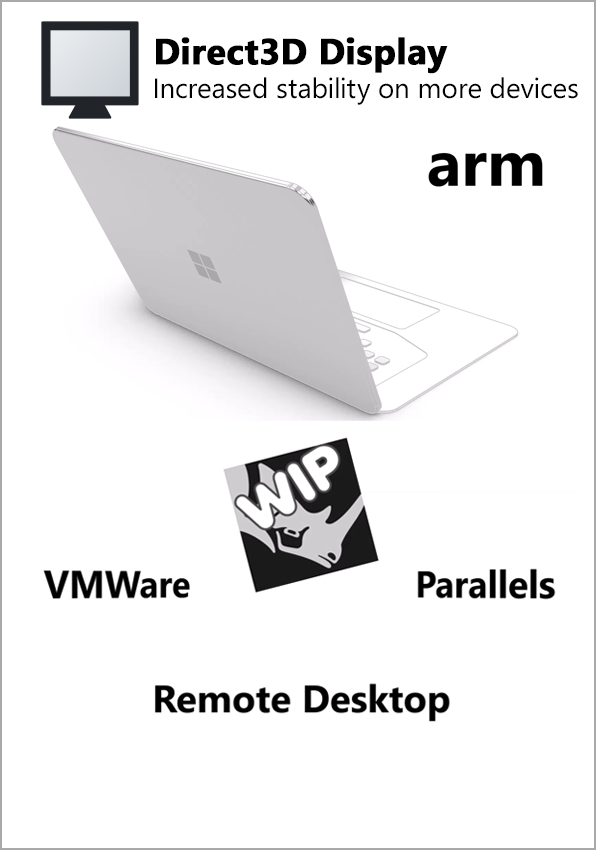
Direct3DDirect3D

Rhino 9 uses Direct3D as its primary GPU-accelerated display technology on Windows.
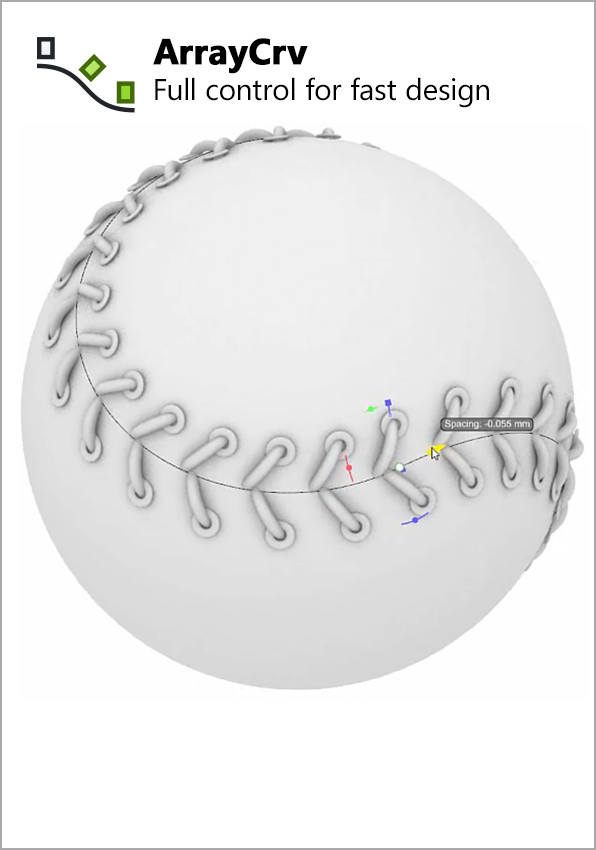
Array CurveArray Curve

Repeat objects along a path with interactive controls for developing patterns and repeated design features.
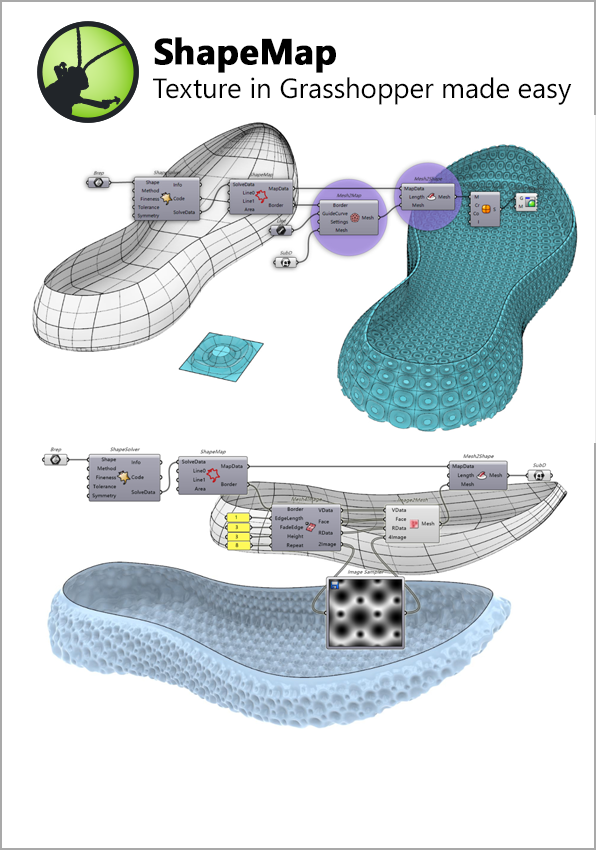
Shape MapShape Map

Map two-dimensional patterns and texture-based geometry onto complex three-dimensional shapes with distortion control.
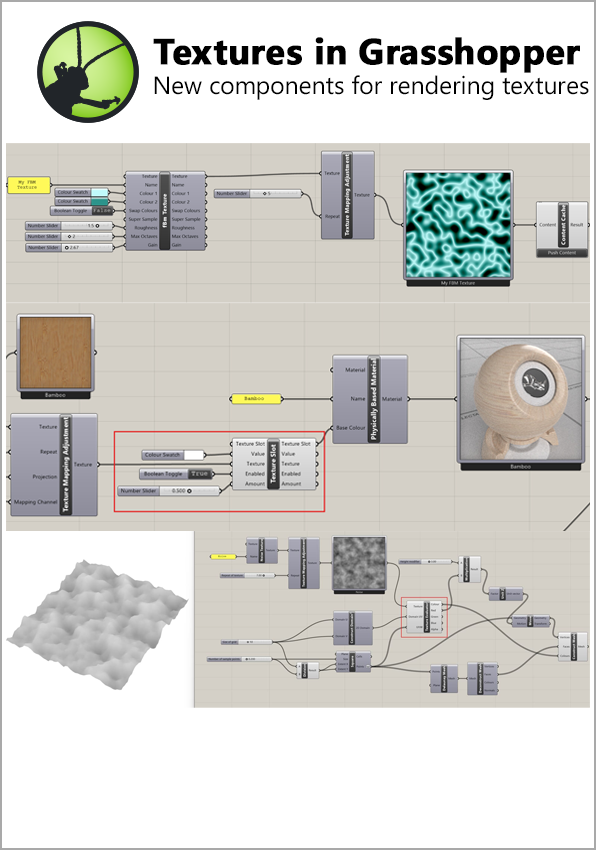
GH Render TexturesGH Render Textures

Create, edit and query procedural or bitmap textures through Grasshopper for parameter-driven visual variations.
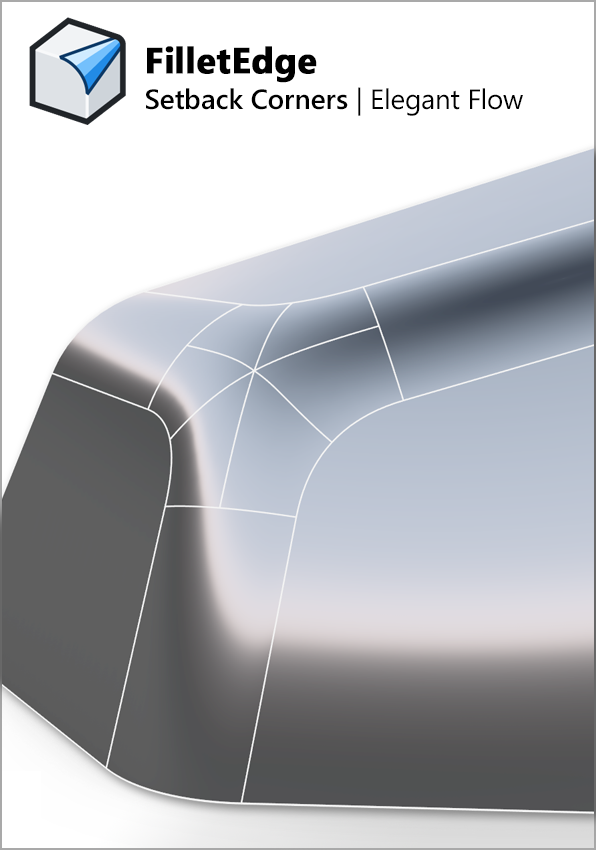
Fillet EdgeFillet Edge

Create setback corner transitions with FilletEdge and BlendEdge for more controlled junctions between rounded edges.
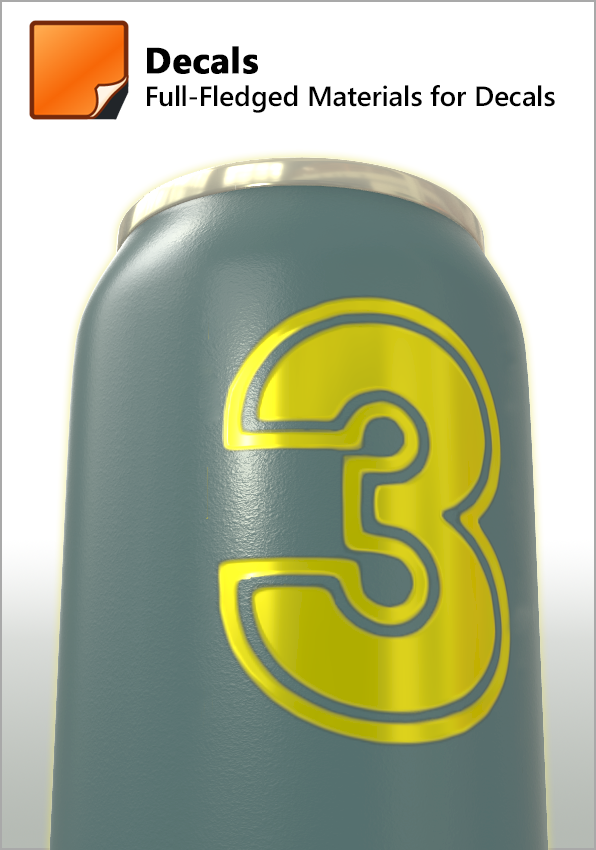
DecalsDecals

Apply decals using material properties such as reflectiveness and bump, rather than only a simple image texture.
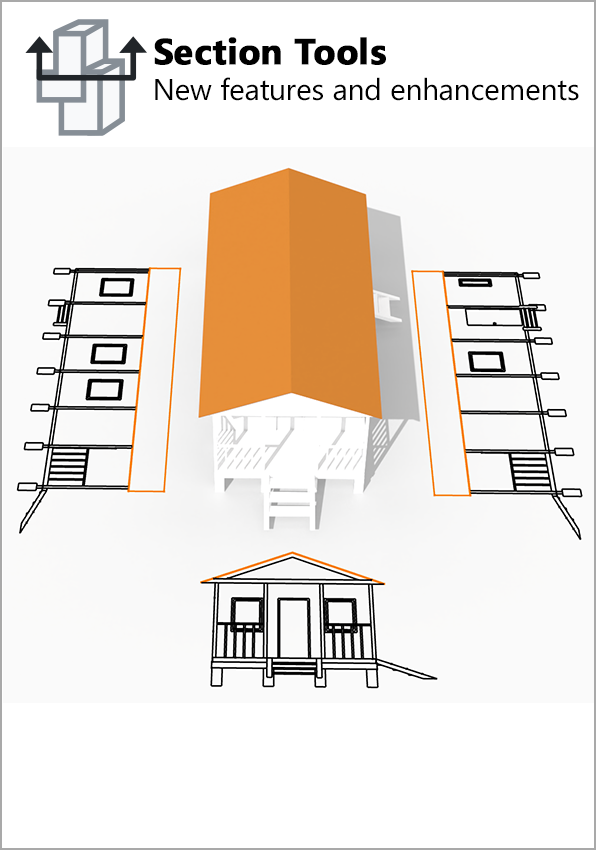
Section ToolsSection Tools

Create and edit two-dimensional section drawings with enhanced SectionTools drafting workflows.
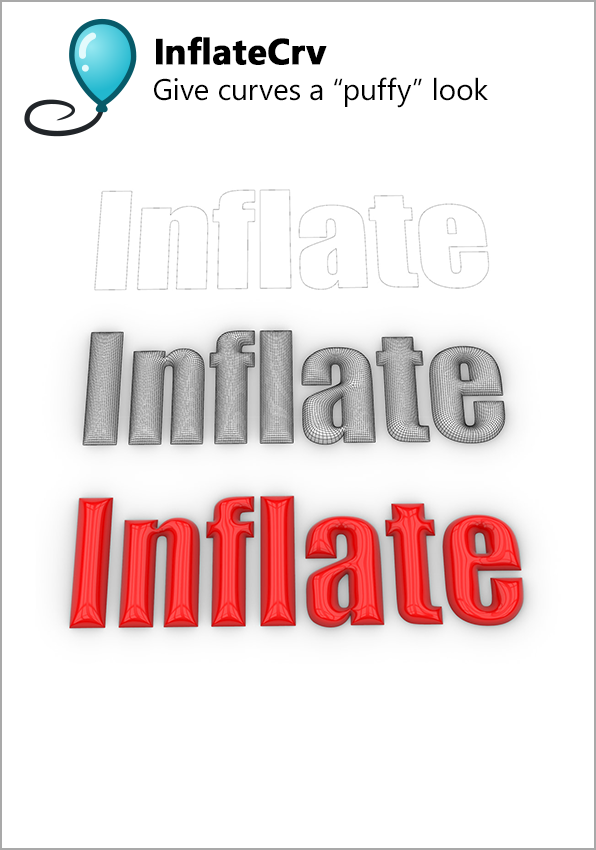
Inflate CrvInflate Crv

Turn closed planar outlines into inflated mesh or SubD forms, useful for lettering, signs and rounded design details.
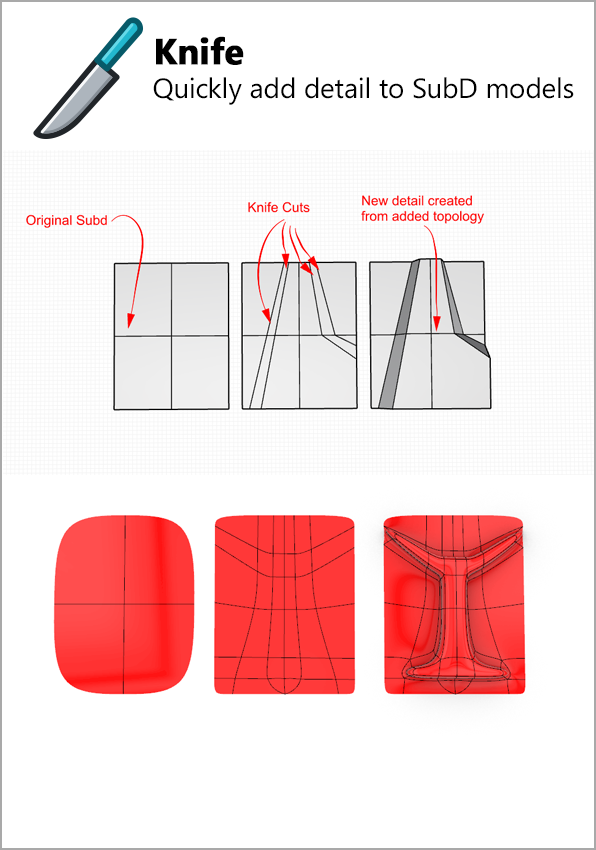
KnifeKnife

Draw cuts across SubD geometry to introduce edges and develop more precise face layouts.
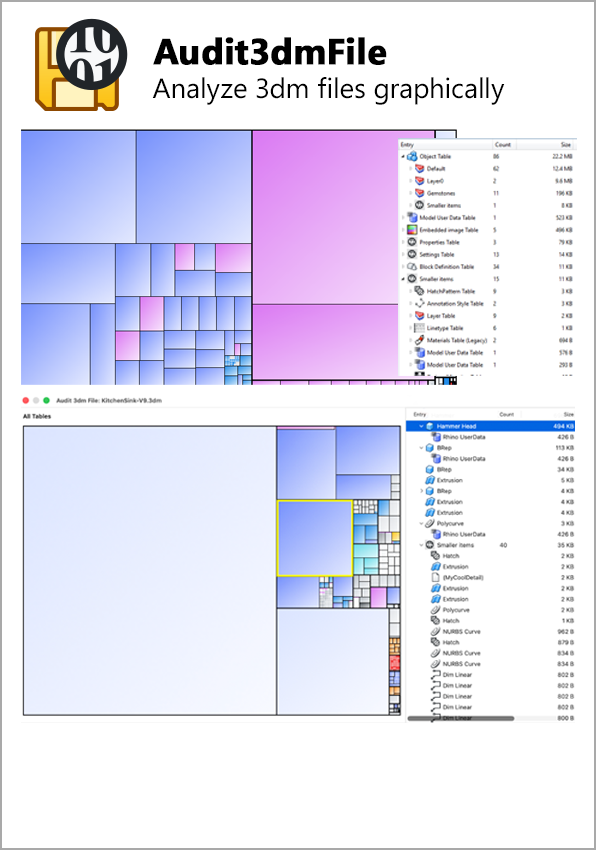
Audit 3dmAudit 3dm

Identify space-consuming objects and data with Audit3dmFile’s graphical view of file contents.

Choose your Rhino 9 licence

Select the commercial, upgrade, educational or lab configuration required. Check the selected licence’s eligibility and user count before ordering; contact 3D ANZ if you need help choosing.

Computer requirements and compatibility

Before ordering, check that your computer and operating system meet the Rhino system requirements. Baseline requirements are not a recommendation for an optimum workstation. Larger models and demanding workflows may need more capable hardware. Plugins have their own platform and version requirements.

View full details

Featured Rhino command

RenderMergeIdenticalMaterials

Find materials with the same settings in the model.

This is placeholder copy for the established 209-command system. The final command component retains its own fixed-frame and overflow rules.

Command note 1

Additional explanatory material demonstrates that this principal region scrolls vertically without moving either horizontal rail.

Command note 2

Additional explanatory material demonstrates that this principal region scrolls vertically without moving either horizontal rail.

Command note 3

Additional explanatory material demonstrates that this principal region scrolls vertically without moving either horizontal rail.

Command note 4

Additional explanatory material demonstrates that this principal region scrolls vertically without moving either horizontal rail.

Command note 5

Additional explanatory material demonstrates that this principal region scrolls vertically without moving either horizontal rail.

Command note 6

Additional explanatory material demonstrates that this principal region scrolls vertically without moving either horizontal rail.

Command note 7

Additional explanatory material demonstrates that this principal region scrolls vertically without moving either horizontal rail.

Command note 8

Additional explanatory material demonstrates that this principal region scrolls vertically without moving either horizontal rail.

3D ANZ process

Realise your ideas.

Fixed height · horizontal overflow
1

Imagine

Begin with the idea, need or opportunity.

2

Explore

Test possibilities without premature commitment.

3

Define

Turn intent into useful constraints and criteria.

4

Model

Build an adaptable digital description.

5

Evaluate

Compare performance, fit and consequences.

6

Refine

Improve the solution through informed iteration.

7

Realise

Communicate, manufacture or deliver the result.

DISCOVER RHINO
New in RH9Modelling
New in RH9Editing
New in RH9Rendering
New in RH9Drafting
New in RH9Grasshopper
New in RH9SubD
New in RH9Interoperability
New in RH9Documentation
New in RH9Performance
New in RH9Display
New in RH9Fabrication
Add to / view cart

Design differently.

Your imagination isn't two-dimensional.
Neither should your CAD be.

Imagine…   Explore freely.   Express precisely.

Before there's a model, there's an idea. Something you can see in your head but haven't yet worked out. A shape. A possibility. A problem that needs a different solution.

The designer brings the idea. The process of designing reveals what the idea can become. The software should enable that process without getting in the way.

That's where Rhino comes in.

Try Rhino
Contemporary building designed with Rhino

The software doesn't lead.
The idea does.

Good design doesn't always begin with a fully defined solution.

You start with an idea. You test it. You change it. You see something you hadn't seen before.

Rhino gives you a direct way to work with the geometry of your design, so you can develop the idea as you think it through.

Explore an idea far enough, and new possibilities emerge.

The software isn't deciding the destination. It gives you the freedom to discover it.

An idea evolving through exploration, testing, refinement and iteration

Explore freely.

Freeform surface exploration in Rhino

Design is rarely a straight line. You discover something by trying it. Then you change it. Then something else becomes possible.

The process itself becomes part of the discovery.

Express precisely.

Precise complex form developed in Rhino

Exploration is useful when what you discover can become something precise. Rhino brings freedom and accuracy together, retaining the precision needed to measure, communicate, share and make the design.

Freedom to explore. Precision to deliver.

Rhino in your toolkit.

Rhino is a mature, comprehensive design tool that can carry an idea from its first possibility through to precise, finished geometry.

A broad design tool.

Surface, solid, SubD and mesh modelling sit alongside drafting, analysis, documentation and manufacturing tools.

Built around complex form.

Rhino works with complex, freeform shapes as naturally as it works with precise geometry.

Works with your toolkit.

You don't have to abandon specialist tools that already serve a useful part of your workflow.

A companion when needed.

Use Rhino for the whole process or where its particular strengths are most valuable.

Works with the tools you already use.

Rhino supports a remarkably broad range of CAD, 3D, mesh, drawing and manufacturing formats.

  • Bring geometry into Rhino.
  • Develop and refine it.
  • Move it into other tools when required.
  • Keep the tools that work best for you.
CAD file compatibilityBring it in. Work with it. Take it wherever it needs to go.

Whatever you're designing, start with the idea.

Rhino is used across a remarkably broad range of design disciplines.

Architecture

Architecture

Explore form, space and detail.

Industrial design

Industrial design

Develop objects where form, function and production come together.

Product design

Product design

Develop precise products and complex forms.

Jewellery design

Jewellery design

Create intricate production-ready geometry.

Marine design

Marine design

Develop complex surfaces where shape and accuracy matter.

Furniture design

Furniture design

Explore organic and precise forms through to manufacture.

Engineering

Engineering

Develop accurate geometry for technical applications.

Manufacturing & CNC

Manufacturing & CNC

Move precise geometry into computer-controlled manufacturing.

Prototyping & fabrication

Prototyping & fabrication

Turn digital designs into prototypes and finished forms.

Landscape design

Landscape design

Design considered natural and built environments.

Civil engineering

Civil engineering

Develop terrain, infrastructure and built-environment geometry.

Art & design

Art & design

Create expressive forms that communicate ideas and culture.

And sometimes, you can design the rules too.

Computational design

Some problems can't be solved by drawing the answer directly. Define relationships, rules and possibilities, then explore what those relationships can produce.

Explore an idea far enough, and new possibilities emerge.

Computational design structure developed using Rhino and Grasshopper

Continue exploring

Rhino, ideas and what comes next.

Featured Rhino command

Plain-language explanations of useful Rhino tools and the choices that shape the result.

Explore featured command

Rhino 9 Beta

See what McNeel is developing next, presented after the primary reading rather than over it.

Discover Rhino

Realise your ideas

A seven-stage design sequence: imagine, explore, define, model, evaluate, refine and realise.

See the process

3D ANZ process

Realise your ideas.

1 · Imagine

Begin with the idea, need or opportunity.

2 · Explore

Test possibilities without premature commitment.

3 · Define

Turn intent into useful constraints and criteria.

4 · Model

Build an adaptable digital description.

5 · Evaluate

Compare performance, fit and consequences.

6 · Refine

Improve the solution through informed iteration.

7 · Realise

Communicate, manufacture or deliver the result.

Coming soon in Rhino 9
System specs
DISCOVER RHINO
5 6 7 8 9
Discover Rhino
$1 AUD buys $0.6685 USD Updated 15/10/2026 14:02 NZDT
AUDAustralia
Talk to us1800 659767